

Blog list
Recovery Centers of Montana Blog
Learn more about addiction recovery center care in our blog!

For individuals and families in Flathead County and the Missoula area, understanding how to pay for inpatient addiction treatment can be an important part of taking the next step toward recovery. Montana Medicaid may cover qualifying residential and inpatient substance use disorder treatment when medical necessity and other coverage requirements are met. At Recovery Centers of Montana, we help individuals understand the admission process, verify benefits, and determine the appropriate level of care.
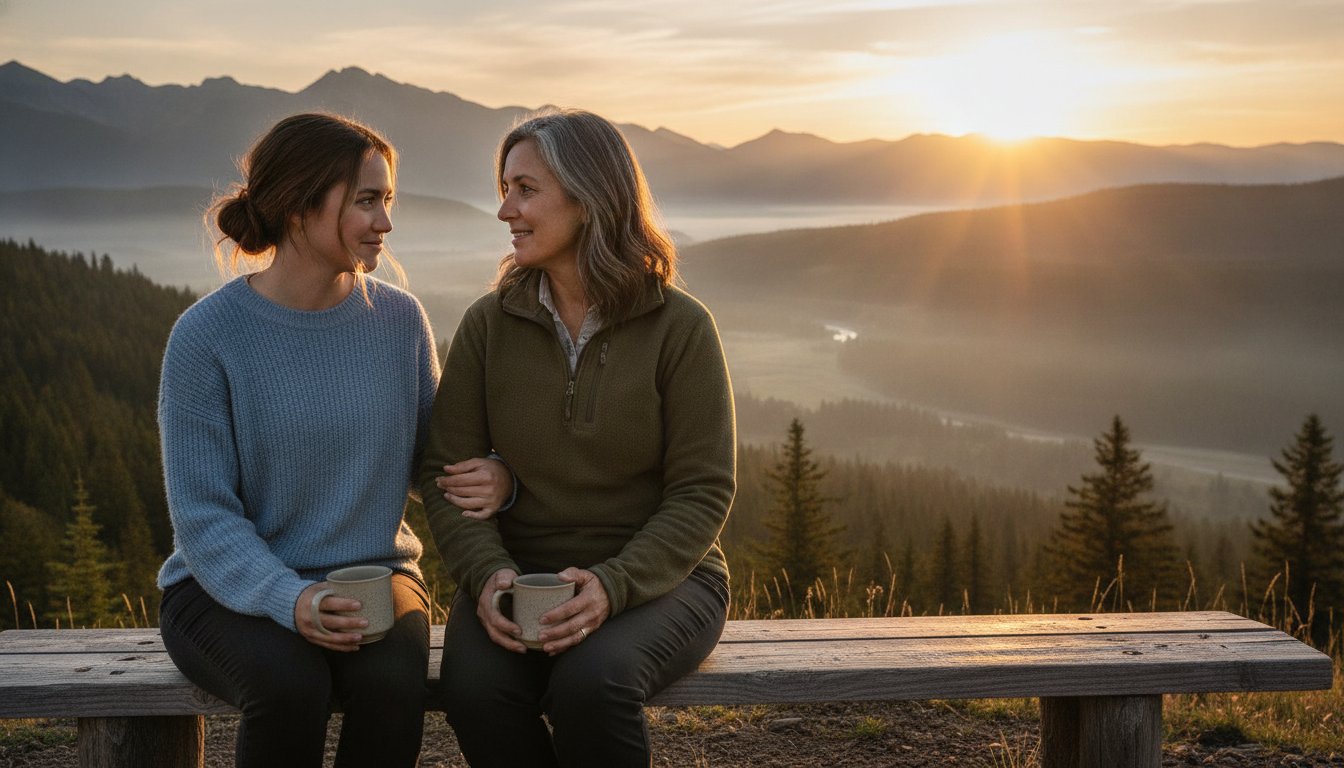
What if the most important part of your recovery isn't just stopping the cycle, but finding a place where you finally feel safe enough to heal? For many women across the state, the weight of substance use is often tied to deep, unresolved trauma.

Recovery is not only about stopping substance use. It is also about rebuilding self-trust, learning healthy coping skills, and discovering what life can look like with more stability and purpose. Adventure therapy supports this process by combining structured outdoor challenges with guided reflection, helping individuals strengthen confidence and emotional resilience in a real-world setting.

Recovery from addiction or mental health challenges can feel isolating, especially when it seems like others do not fully understand what you are experiencing. Peer support can help bridge that gap by connecting individuals with people who have faced similar challenges and built experience navigating recovery themselves.

Choosing between inpatient and outpatient treatment is an important step in the recovery process. Both levels of care can provide professional support for substance use and related mental health concerns, but they differ in structure, intensity, and living arrangements.

Completing rehab is a major step, but recovery continues long after structured treatment ends. Building healthy daily habits can help support sobriety, reduce relapse risk, and create more stability during the transition back into everyday life. After rehab, the goal is not perfection - it is consistency, support, and learning how to manage life in a healthier way.
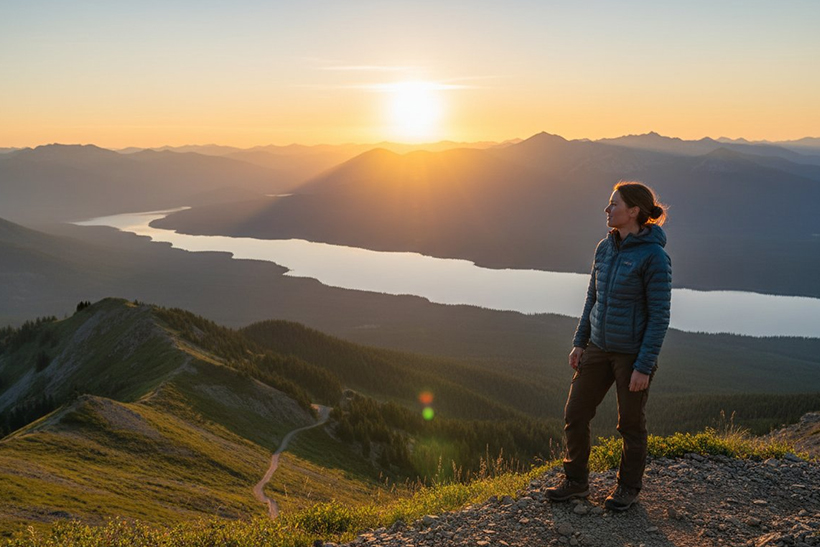
The journey to recovery is a path of incredible strength, but it's often walked with a quiet fear of relapse. This fear can be isolating, especially when cravings feel overwhelming and you're unsure how to navigate a world full of old triggers. The good news is that you don't have to walk this path alone or unprepared. Building a toolkit of effective strategies for avoiding relapse is one of the most empowering steps you can take to protect your sobriety and move forward with confidence.

Anxiety, trauma, and addiction often overlap in ways that make recovery more complex. When these issues are treated separately, it is easy to miss what is driving the cycle. At Recovery Centers of Montana, we take a more complete approach because lasting recovery often starts with understanding how mental health and substance use affect each other.

Imagine walking out of our doors on a Tuesday morning in January 2026, the quiet of the Montana landscape suddenly feeling louder than the structure of residential care. It's a moment many describe as the "discharge cliff," where the safety of 24/7 support meets the reality of daily life.
For individuals caught in a cycle of relapse, the connection between past trauma and current substance use is often a missing piece of the recovery puzzle. When Post-Traumatic Stress Disorder (PTSD) and a Substance Use Disorder (SUD) exist at the same time, treating one without addressing the other can make sustained recovery feel out of reach.
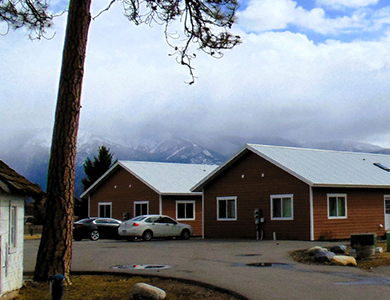
Inpatient
Services
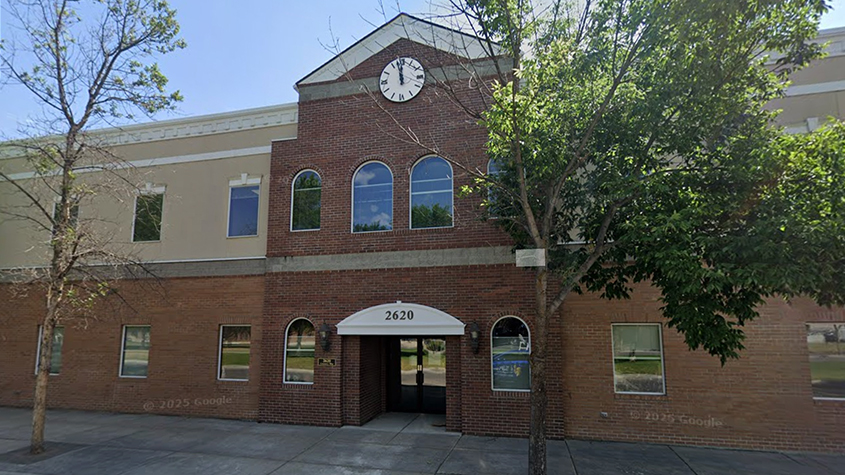
Outpatient
Services
Inpatient Facilities
Outpatient Clinics
Business Hours
Mon-Fri 9:00 AM - 5:00 PM
Our Inpatient facilities are open 24/7
IN CASE OF EMERGENCY, CALL 911
NATIONAL SUICIDE PREVENTION LIFELINE – 1-800-273-8255
REVIEW OUR CRISIS HELP PAGE
For Record Requests please send
an email to recordrequests@rcofmt.com.

© 2026 Recovery Centers of Montana. All rights Reserved. Accessibility Statement - Privacy Policy - Sitemap
Powered by:
