

Community Supports After Treatment: Building Your Recovery Scaffolding for 2026

Imagine walking out of our doors on a Tuesday morning in January 2026, the quiet of the Montana landscape suddenly feeling louder than the structure of residential care. It's a moment many describe as the "discharge cliff," where the safety of 24/7 support meets the reality of daily life. You aren't alone if you feel a surge of anxiety about managing triggers or finding a new social circle. Since research suggests the first 90 days are the most critical for establishing new habits, understanding the specific community supports after treatment options to integrate into a recovery program is what transforms this transition from a leap of faith into a steady, guided walk toward independence.
We believe that true healing happens in the months and years following your initial stay, and you deserve a plan that feels as personal as your journey itself. You'll discover how to create a clear, actionable roadmap for 2026 that gives you the confidence to manage work and family life while keeping your sobriety at the center of everything you do. This guide outlines the various pathways available to you, from local Montana Wellbriety circles to active alumni networks that keep you connected and supported.
Understanding the Transition: Why Post-Treatment Support is Critical
Leaving a residential treatment program is a major milestone, but it also marks the beginning of a delicate transition. For many, the first 90 days after discharge represent the most vulnerable period in the entire journey. This phase is often described as the "Discharge Cliff." It's the moment when the 24 hour structure of a clinical environment suddenly gives way to the complexities of daily life. Research consistently shows that the period immediately following discharge carries the highest risk of relapse, with studies indicating that 40 to 60 percent of individuals experience a return to use within the first year, and the risk is most concentrated in the earliest weeks and months after leaving a structured environment. Without a solid scaffold of community connection and ongoing care, the sudden shift from 24/7 clinical structure to the full weight of daily responsibility can feel overwhelming and isolating.
To bridge this gap, you must look at community supports after treatment options to integrate into a recovery program. These supports act as a safety net that catches you before a stumble becomes a fall. The goal isn't just to "stay sober" through sheer willpower. Instead, the focus shifts to building a life where it's actually easier to stay sober. This involves creating a new environment that prioritizes your well-being and surrounds you with people who understand your path. By integrating these supports early, you transform your recovery from a daily struggle into a sustainable lifestyle.
The Clinical Necessity of a Safety Net
Your brain doesn't return to its baseline state the moment treatment ends. Neuroplasticity (the brain's ability to reorganize and heal) is a gradual process that unfolds over months and years, not days. Research has shown that for individuals recovering from stimulant use disorders, brain dopamine function can take 12 to 14 months of sustained abstinence to move toward baseline levels; for other substances, the timeline varies and full neurological recovery may take longer. Throughout this period, the brain remains highly sensitive to stress, environmental cues, and social triggers, which is why structured community support remains critically important well after clinical treatment ends. Community support serves as a non-clinical bridge between the safety of a treatment environment and the demands of independent living, providing accountability, connection, and a sense of belonging during the most vulnerable phase of recovery. This peer-led approach is a foundational element of the Recovery Model, which emphasizes hope, self-direction, and the belief that everyone can achieve a meaningful life in their community. Because no single pathway works for everyone, we encourage you to explore the variety of options available so you can find the support that genuinely resonates with your values and lived experience.
Identifying Your Personal Triggers in the "Real World"
Returning to your home in Montana brings you back into contact with familiar people, places, and routines, and that familiarity can cut both ways. You might find that driving past a specific neighborhood in Missoula or a certain street in Great Falls triggers an unexpected physical or emotional reaction. This is known as cue-reactivity, a well-documented biological process in which the brain has formed strong associative memories between environmental stimuli and past substance use, producing cravings in response to those cues even after a significant period of abstinence. Having an established support network gives you something to reach for in those moments. Rather than reacting impulsively to a trigger, you have an Alumni group, a sponsor, or a local meeting in the Flathead Valley or the Bitterroot region to turn to as an immediate anchor. Research supports that early engagement with peer recovery supports after discharge is associated with improved confidence in managing triggers and greater treatment retention, though outcomes vary based on the type and consistency of support accessed. A stable, substance-free home environment reinforces all of this, serving as your primary sanctuary as you rebuild daily routines and practice the coping skills you developed during treatment.
Peer Support: Connects you with others who have walked a similar path.
Alumni Groups: Offers a sense of belonging and long term connection.
Environmental Awareness: Helps you recognize and plan for local triggers.
Holistic Balance: Encourages a well-rounded approach to physical and mental health.
A Variety of Pathways: Diverse Community Support Options
Recovery is personal. It's not a one-size-fits-all solution. At Recovery Centers of Montana, we champion the "Variety of Pathways" philosophy. This means we respect the unique spiritual or secular journey each person takes. When you look for community supports after treatment options to integrate into a recovery program, you'll find that having choices makes the process more sustainable. Our goal is to provide a well-rounded understanding of the programs available so you can choose what fits your life. By offering diverse options, we ensure that every individual finds a community where they feel seen and understood.
The traditional foundation of community-based recovery often begins with 12-Step programs like Alcoholics Anonymous (AA) or Narcotics Anonymous (NA). Founded in 1935, these groups rely on a spiritual framework and the support of a sponsor to navigate the 12 steps. For those who prefer a secular approach, SMART Recovery has offered a science-based alternative since 1994. Instead of focusing on surrender, SMART emphasizes self-empowerment and tools derived from cognitive behavioral therapy. For Indigenous people, the Wellbriety Movement offers a culturally specific path to healing rooted in traditional teachings and the Medicine Wheel. Founded by Don Coyhis (Mohican Nation) through White Bison, Inc., established in 1988, the Wellbriety Movement emerged in the 1990s as a framework that goes beyond sobriety to address the whole person and community. The word "Wellbriety" itself combines wellness and sobriety, reflecting the philosophy that true healing means living in balance across the mental, physical, emotional, and spiritual dimensions of life, not simply abstaining from substances. This path recognizes that for many Indigenous individuals, lasting recovery must be woven into the context of community, culture, and ancestral wisdom.
Secular vs. Spiritual Support Systems
Choosing a support system often comes down to how you view the recovery process and what kind of community feels most natural to you. The core tenet of 12-Step programs like AA and NA is surrender to a higher power, a framework that provides many people with a profound sense of peace, humility, and connection to something larger than themselves. In contrast, SMART Recovery focuses on self-management, using its 4-Point Program to help individuals build and maintain motivation, cope with urges, manage thoughts and emotions, and work toward a balanced lifestyle. You do not have to choose only one philosophy, and many people in long-term recovery find value in drawing from more than one pathway depending on what they need at a given time. Peer facilitators in both types of groups play an important role by offering lived-experience guidance and accountability without functioning as clinical therapists, which is a meaningful distinction that makes these spaces feel accessible and non-hierarchical. The most important thing is that you find a community where you feel safe, understood, and supported in the values that matter most to you.
Specialized Peer Groups and Alumni Networks
Peer support is most effective when you feel safe and heard. Specialized groups offer a level of security that general meetings might lack. Gender-specific groups, for example, create an environment where you can discuss sensitive issues like trauma, body image, or family dynamics without fear of judgment. Connecting with an Alumni group is another vital way to maintain your momentum. These groups offer a shared history and a unique sense of belonging that general meetings sometimes lack. Alumni networks often host sober social events, like hiking trips in the Bitterroot National Forest, which help redefine what fun looks like in sobriety.
In Montana, these resources are widespread and accessible. From the robust network of weekly meetings throughout the Flathead Valley to the active recovery communities in the state capital of Helena, support is never far away. Finding community supports after treatment options to integrate into a recovery program ensures you aren't walking this path alone. These networks provide the accountability and friendship necessary for long-term success. If you're looking for a place to start your post-treatment journey, explore our recovery community to see which pathway aligns with your goals and values.
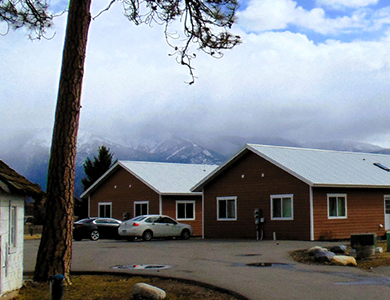
Inpatient
Services
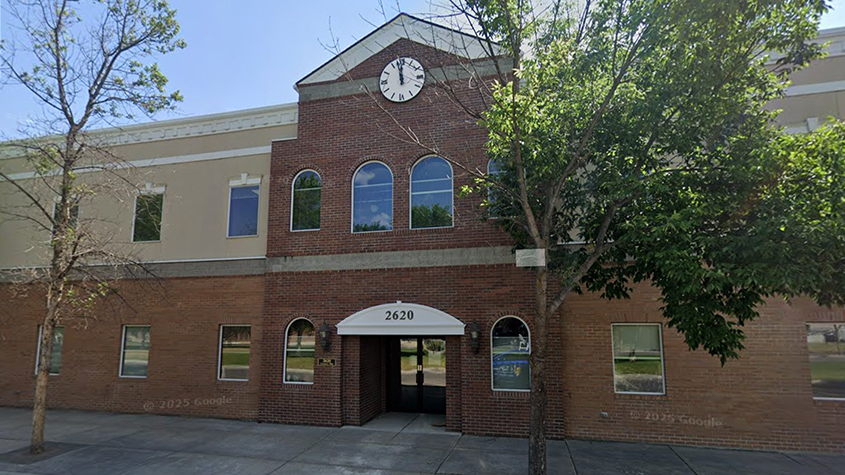
Outpatient
Services
Inpatient Facilities
Outpatient Clinics
Business Hours
Mon-Fri 9:00 AM - 5:00 PM
Our Inpatient facilities are open 24/7
IN CASE OF EMERGENCY, CALL 911
NATIONAL SUICIDE PREVENTION LIFELINE – 1-800-273-8255
REVIEW OUR CRISIS HELP PAGE
For Record Requests please send
an email to recordrequests@rcofmt.com.

© 2026 Recovery Centers of Montana. All rights Reserved. Accessibility Statement - Privacy Policy - Sitemap
Powered by:
