

Inpatient vs Outpatient Treatment: How to Know Which Level of Care Is Right for You

Choosing between inpatient and outpatient treatment is an important step in the recovery process. Both levels of care can provide professional support for substance use and related mental health concerns, but they differ in structure, intensity, and living arrangements.
The right option depends on your current symptoms, home environment, recovery history, responsibilities, and ability to remain safe outside a treatment setting. A professional assessment can help determine which program provides the appropriate level of support.
What Is Inpatient Treatment?
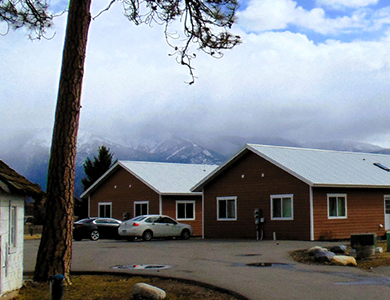
Inpatient treatment, also called residential treatment, requires clients to live at a treatment facility while receiving care. This setting provides separation from daily triggers and creates a structured environment where recovery can remain the primary focus.
Treatment may include individual counseling, group therapy, peer support, case management, mental health therapy, and continued care planning. Recovery Centers of Montana provides inpatient programs supported by addiction counselors, mental health professionals, peer support specialists, and case managers.
Inpatient treatment may be appropriate when someone needs consistent structure, has experienced repeated relapses, or does not have a stable and supportive home environment.
Signs Inpatient Care May Be Appropriate
A higher level of care may be recommended when substance use has become difficult to manage without continuous support. Signs that inpatient treatment may be beneficial include:
- Substance use is affecting your safety, health, relationships, or employment
- Previous outpatient treatment has not provided enough support
- Cravings or triggers feel overwhelming in your current environment
- You have co-occurring concerns such as trauma, anxiety, or depression
- Your home environment makes it difficult to avoid drugs or alcohol
Inpatient treatment is not the same as medical detox. Anyone who may be at risk for dangerous withdrawal symptoms should receive an appropriate medical evaluation before beginning a recovery program.
What Is Outpatient Treatment?
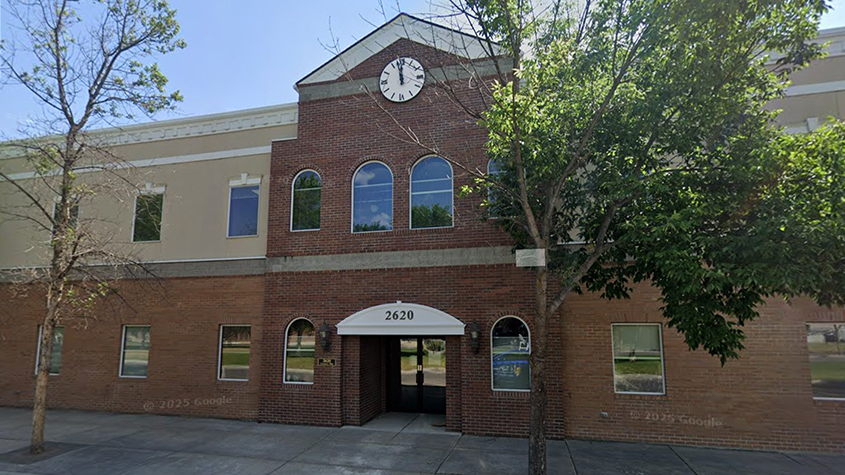
Outpatient treatment allows clients to attend scheduled services while continuing to live at home. Depending on the program, sessions may take place during the day, evening, or through virtual care.
This option can provide counseling, group support, relapse prevention education, case management, and other recovery services without requiring an overnight stay. Intensive outpatient programs use a structured schedule of core services while allowing clients to maintain certain work, school, and family responsibilities.
Outpatient treatment may be suitable for individuals who are medically stable, have a supportive home environment, and can manage triggers between appointments. It can also serve as continued care after completing an inpatient program.
Consider Your Daily Environment
Your surroundings can have a major effect on early recovery. Consider whether your home is free from substances, whether supportive people are available, and whether you can reliably attend appointments.
Responsibilities should also be considered, but convenience should not be the only factor. Selecting a program that does not offer enough structure can make it harder to establish stability. The goal is to choose the level of care that gives you the strongest foundation for long-term recovery.
Start With a Professional Assessment
You do not have to determine the right level of care alone. A clinical assessment can review substance use patterns, mental health symptoms, previous treatment experiences, support systems, and personal goals. Treatment recommendations may also change as your needs and progress evolve.
To contact Recovery Centers of Montana to discuss whether inpatient or outpatient treatment may be right for you, fill out a contact form on our contact page or call any of our inpatient or outpatient programs at the numbers listed on our website.
Inpatient
Services
Outpatient
Services
Inpatient Facilities
Outpatient Clinics
Business Hours
Mon-Fri 9:00 AM - 5:00 PM
Our Inpatient facilities are open 24/7
IN CASE OF EMERGENCY, CALL 911
NATIONAL SUICIDE PREVENTION LIFELINE – 1-800-273-8255
REVIEW OUR CRISIS HELP PAGE
For Record Requests please send
an email to recordrequests@rcofmt.com.

© 2026 Recovery Centers of Montana. All rights Reserved. Accessibility Statement - Privacy Policy - Sitemap
Powered by:
