

Healthy Habits to Support Recovery After Rehab

Completing rehab is a major step, but recovery continues long after structured treatment ends. Building healthy daily habits can help support sobriety, reduce relapse risk, and create more stability during the transition back into everyday life. After rehab, the goal is not perfection - it is consistency, support, and learning how to manage life in a healthier way.
Create A Consistent Daily Routine
A predictable routine can make recovery feel more manageable. Waking up at a regular time, planning meals, attending appointments, and setting aside time for rest can reduce stress and help the day feel less overwhelming. Structure is especially important after rehab because it helps replace old patterns with healthier ones.
A routine does not need to be packed with activities. In fact, leaving space for rest, reflection, and recovery support can be just as important as staying busy.
Prioritize Sleep And Nutrition
Sleep and nutrition can have a direct impact on mood, energy, cravings, and emotional regulation. Many people in early recovery are rebuilding their physical health, so simple choices can make a meaningful difference.
Eating regular meals, staying hydrated, limiting excessive caffeine, and getting enough sleep can help the body and mind recover more steadily. When your body feels more balanced, it may be easier to cope with stress and stay focused on recovery goals.
Stay Connected To Support
Recovery after rehab should not be handled alone. Ongoing support can help you stay accountable, process challenges, and feel less isolated. This may include outpatient care, therapy, peer support groups, alumni programs, family support, or sober community connections.
Healthy support may include:
- Attending recovery meetings or support groups consistently
- Continuing individual or group therapy
- Staying in contact with sober friends or mentors
- Setting boundaries with people who may trigger old habits
- Reaching out early when cravings or stress increase
The more connected you are to supportive people, the easier it can be to navigate difficult moments before they become setbacks.
Make Movement Part of Your Recovery
Exercise does not need to be intense to be helpful. Walking, stretching, hiking, yoga, strength training, or other forms of movement can support mental clarity and reduce stress. Physical activity can also help improve sleep, mood, and confidence.
For many people, movement becomes a healthy outlet during recovery. The key is choosing something sustainable and enjoyable rather than forcing a routine that feels unrealistic.
Learn How to Manage Triggers
Triggers are a normal part of recovery, but having a plan can make them easier to handle. Triggers may include certain places, people, emotions, memories, stress, or even boredom. Recognizing these patterns early can help you respond in a healthier way.
Common strategies include pausing before reacting, calling a support person, leaving a risky situation, practicing breathing techniques, journaling, or attending a meeting. Over time, these tools can help you feel more prepared and less controlled by cravings.
Build Goals That Support Lasting Recovery
Life after rehab often comes with pressure to “get back to normal” quickly. However, recovery works best when goals are realistic and steady. Focus on small, meaningful steps such as keeping appointments, maintaining a sober routine, rebuilding relationships, or returning to work or school at a healthy pace.
Progress may look different from week to week. What matters most is continuing to choose recovery, even when the process feels challenging.
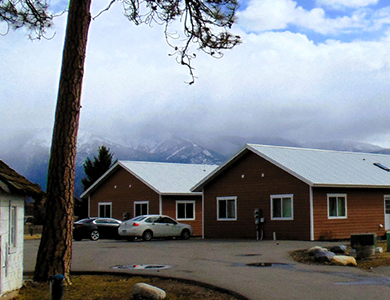
To learn more about recovery support after rehab, contact Recovery Centers of Montana at any of our inpatient locations in Columbia Falls, Martin City, or Ignatius, MT, by calling (406) 412-3904 today.
Inpatient
Services
Outpatient
Services
Inpatient Facilities
Outpatient Clinics
Business Hours
Mon-Fri 9:00 AM - 5:00 PM
Our Inpatient facilities are open 24/7
IN CASE OF EMERGENCY, CALL 911
NATIONAL SUICIDE PREVENTION LIFELINE – 1-800-273-8255
REVIEW OUR CRISIS HELP PAGE
For Record Requests please send
an email to recordrequests@rcofmt.com.
© 2026 Recovery Centers of Montana. All rights Reserved. Accessibility Statement - Privacy Policy - Sitemap
Powered by:
