

Why Seasonal Depression Triggers Drinking in Montana Autumns (and How to Break the Cycle)
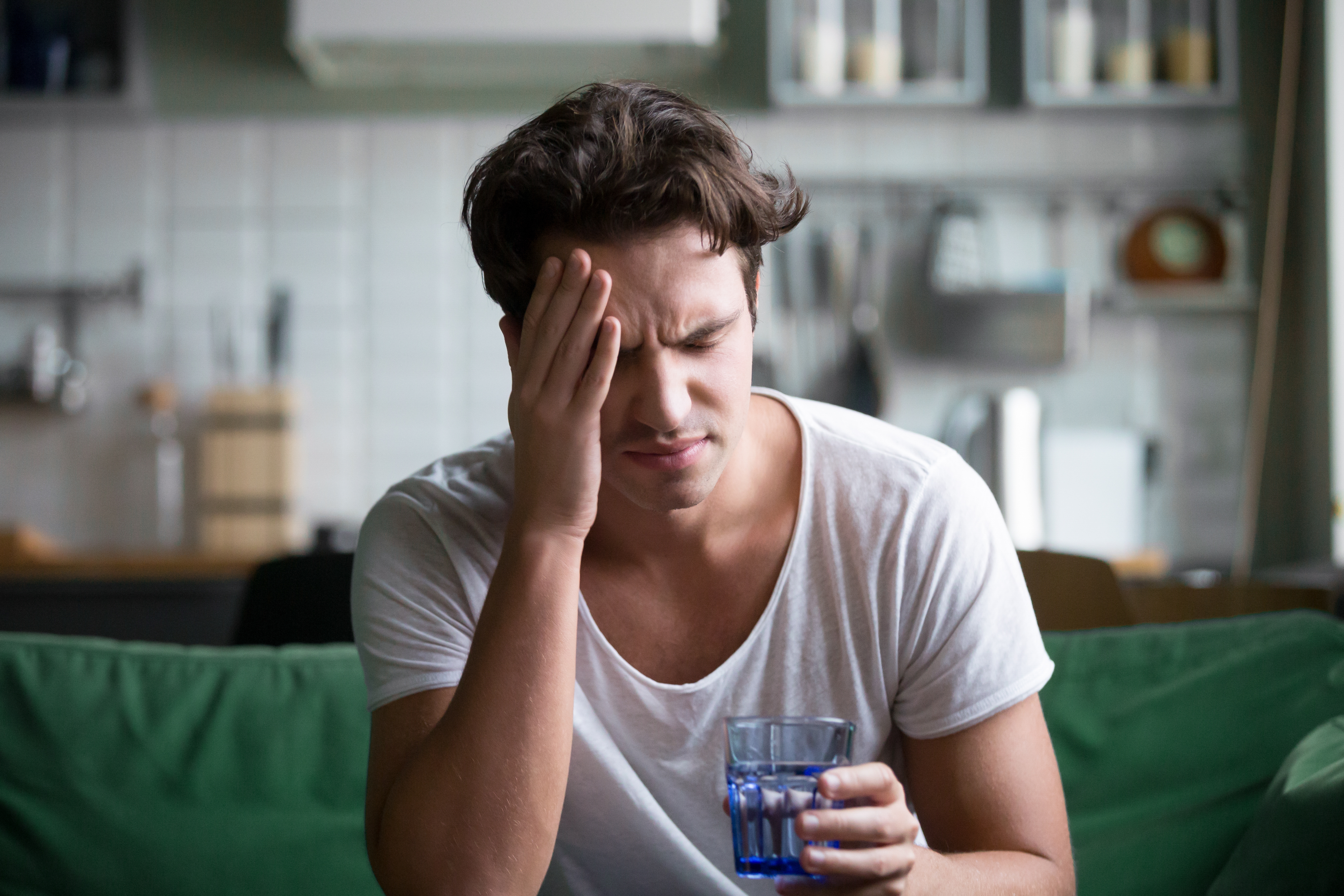
As autumn arrives in Montana, shorter days, colder temperatures, and reduced sunlight can affect more than just daily routines. For some people, these seasonal changes contribute to depression, low energy, and increased isolation. Unfortunately, alcohol can become a way to cope with these feelings, creating a cycle that becomes difficult to break. At Recovery Centers of Montana, we understand how seasonal depression and alcohol use can overlap and why addressing both is important for lasting recovery.
How Montana's Autumn Weather Affects Mental Health
Seasonal affective disorder (SAD) is a form of depression that typically appears during the fall or winter months. Reduced daylight can disrupt sleep patterns, energy levels, and mood regulation.
Montana's changing seasons can also make outdoor activities and social gatherings less frequent, potentially increasing feelings of loneliness.
Common symptoms of seasonal depression include:
• Persistent sadness, irritability, or hopelessness
• Low energy and increased fatigue
• Changes in sleep patterns or appetite
• Loss of interest in favorite activities
• Social withdrawal and difficulty concentrating
• Increased desire to use alcohol to manage uncomfortable emotions
Not everyone experiencing seasonal mood changes has SAD, but persistent symptoms deserve attention.
Why Seasonal Depression Can Lead to Increased Drinking
When someone feels depressed, anxious, or isolated, alcohol may seem like a quick way to relax or temporarily escape uncomfortable feelings. However, alcohol is a central nervous system depressant. While drinking might provide short-term relief, it can disrupt sleep, worsen depressive symptoms, and make emotional regulation more difficult.
Over time, someone may begin drinking more frequently to manage the same feelings. This can increase the risk of alcohol dependence, particularly when seasonal depression remains untreated.
How to Break the Cycle of Seasonal Depression and Alcohol Use
Breaking the connection between seasonal depression and drinking starts with recognizing emotional triggers and developing healthier coping strategies. Maintaining a consistent sleep schedule, spending time outdoors during daylight hours, and staying physically active can help support emotional well-being.
Social connection is equally important. Regular conversations with trusted friends, family members, or recovery support groups can reduce isolation during Montana's colder months.
For individuals experiencing persistent depression, professional mental health treatment may help. Counseling, appropriate medication, and clinician-guided light therapy are potential options depending on individual needs.
If alcohol use has become difficult to control, seeking professional treatment can help address the underlying reasons for drinking. People who drink heavily or regularly should consult a healthcare professional before stopping suddenly because alcohol withdrawal can be dangerous.
When to Seek Professional Help for Depression and Drinking
If seasonal mood changes are leading to increased alcohol consumption, difficulty managing responsibilities, or worsening mental health, it may be time to seek additional support.
At Recovery Centers of Montana, we provide addiction recovery and mental health services that address both substance use and co-occurring conditions such as depression and anxiety. Our inpatient treatment programs and outpatient behavioral health services help individuals develop healthier coping skills, understand their triggers, and work toward sustainable recovery.
If seasonal depression or alcohol use is affecting your well-being, contact Recovery Centers of Montana to learn more about our treatment options. Reach out to any of our inpatient locations in Columbia Falls, Martin City, or Ignatius, MT, by calling (406) 412-3904 today.
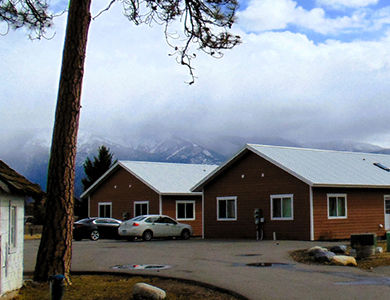
Inpatient
Services
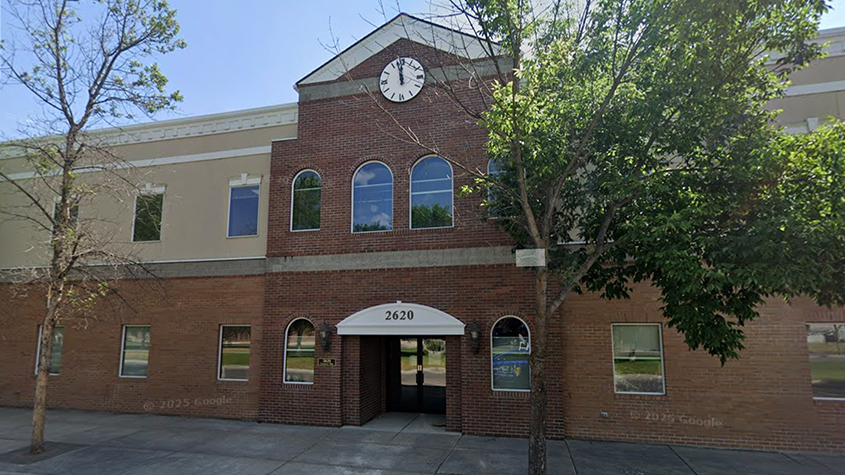
Outpatient
Services
Inpatient Facilities
Outpatient Clinics
Business Hours
Mon-Fri 9:00 AM - 5:00 PM
Our Inpatient facilities are open 24/7
IN CASE OF EMERGENCY, CALL 911
NATIONAL SUICIDE PREVENTION LIFELINE – 1-800-273-8255
REVIEW OUR CRISIS HELP PAGE
For Record Requests please send
an email to recordrequests@rcofmt.com.

© 2026 Recovery Centers of Montana. All rights Reserved. Accessibility Statement - Privacy Policy - Sitemap
Powered by:
