

Why Treating Anxiety, Trauma, and Addiction Together Works

Anxiety, trauma, and addiction often overlap in ways that make recovery more complex. When these issues are treated separately, it is easy to miss what is driving the cycle. At Recovery Centers of Montana, we take a more complete approach because lasting recovery often starts with understanding how mental health and substance use affect each other.
These Conditions Are Often Connected
Many people struggling with addiction are also dealing with unresolved trauma, chronic anxiety, or both. Trauma can leave the nervous system on high alert, while anxiety can make daily life feel overwhelming. In some cases, alcohol or drugs become a way to numb difficult emotions, reduce stress, or avoid traumatic memories.
The problem is that substance use may bring temporary relief, but it usually makes anxiety and emotional instability worse over time. That creates a pattern that can be hard to break without addressing the full picture.
Treating Only Addiction May Not Be Enough
If treatment focuses only on stopping substance use, the underlying emotional pain may still remain. When trauma symptoms or anxiety are left untreated, people may be more vulnerable to relapse because the triggers behind their substance use are still active. When anxiety, trauma, and addiction are treated together, patients can begin building healthier coping strategies while also working through the deeper issues connected to their recovery.
Why an Integrated Approach Works
A combined treatment plan gives patients more than symptom management. It helps them understand the relationship between their thoughts, emotions, behaviors, and substance use. This can lead to stronger progress and a more stable recovery process.
Key benefits of treating these conditions together include:
- Better identification of emotional and behavioral triggers
- More effective coping tools for stress, fear, and trauma responses
- Improved relapse prevention planning
- Greater emotional stability during recovery
- A more personalized and realistic treatment experience
Healing Requires More Than Detox
Detox and early sobriety are important first steps, but long-term healing usually requires continued mental health support. Anxiety can affect sleep, relationships, work, and self-confidence. Trauma can shape how a person reacts to conflict, memories, and daily stress. Without treating these challenges, recovery may feel incomplete.
By addressing both mental health and addiction, treatment can support the whole person instead of only one part of the struggle.
Take the First Step Toward Lasting Healing
No two recovery journeys are exactly alike. Some people need inpatient care and structure, while others benefit from outpatient support and continued counseling. Recovery Centers of Montana offers addiction recovery and mental health services designed to meet people where they are and help them move forward with evidence-based, compassionate care. When treatment recognizes the link between trauma, anxiety, and addiction, patients have a better chance to heal in a meaningful and lasting way.
Contact Recovery Centers of Montana to learn more about treatment for anxiety, trauma, and addiction. Contact any of our inpatient locations in Columbia Falls, Martin City, or Ignatius, MT, by calling (406) 412-3904 today.
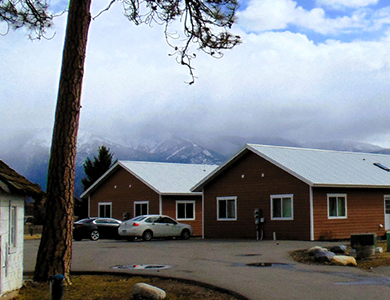
Inpatient
Services
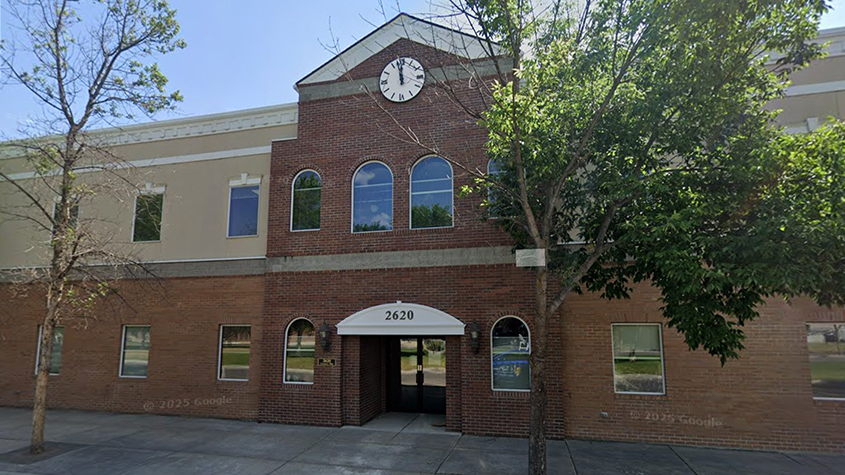
Outpatient
Services
Inpatient Facilities
Outpatient Clinics
Business Hours
Mon-Fri 9:00 AM - 5:00 PM
Our Inpatient facilities are open 24/7
IN CASE OF EMERGENCY, CALL 911
NATIONAL SUICIDE PREVENTION LIFELINE – 1-800-273-8255
REVIEW OUR CRISIS HELP PAGE
For Record Requests please send
an email to recordrequests@rcofmt.com.

© 2026 Recovery Centers of Montana. All rights Reserved. Accessibility Statement - Privacy Policy - Sitemap
Powered by:
