

Comprehensive Treatment for Co-Occurring Disorders
Treating PTSD and addiction simultaneously in an integrated program offers a more complete path to recovery. Instead of addressing them as separate issues, a dual diagnosis approach weaves together mental health and addiction therapies. This is often accomplished in a residential setting where clients can focus entirely on their healing in a structured, supportive environment.
Evidence-Based Therapeutic Approaches
Trauma-informed care utilizes specific, evidence-based therapies designed to help individuals process traumatic memories and change their relationship with substances. Two common and effective modalities include:
Cognitive Behavioral Therapy (CBT): This therapy helps individuals identify and change destructive thinking patterns and behaviors related to both trauma and substance use.
Eye Movement Desensitization and Reprocessing (EMDR): EMDR is a structured therapy that helps the brain process and store traumatic memories in a less distressing way, reducing their emotional impact.
Delivering these therapies effectively requires a team of compassionate and skilled professionals. The expertise of the clinical staff is fundamental to creating a safe space for clients to engage in this deep therapeutic work.
A Variety of Pathways to Recovery
Lasting recovery is a personal journey, and a one-size-fits-all approach rarely works. A comprehensive treatment program respects individual needs by offering multiple paths to healing. This "Variety of Pathways" philosophy empowers clients to find a framework that aligns with their personal beliefs and values. Options may include:
Secular Pathways: Programs like SMART Recovery provide logic-based tools for managing thoughts, feelings, and behaviors.
Spiritual and 12-Step Traditions: For those seeking a faith-centered approach, 12-step programs offer a structured path based on spiritual principles.
Holistic and Cultural Methods: Practices like Wellbriety integrate cultural wisdom and holistic wellness to support recovery.
Choosing a Trauma-Informed Program in Montana
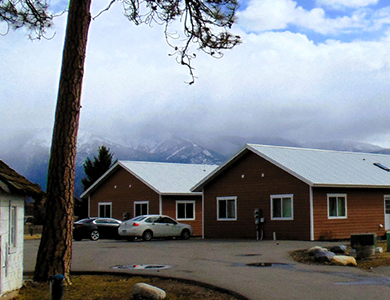
For many, the environment is a critical component of healing from trauma. The natural landscape of Montana can provide a peaceful, grounding backdrop for the intensive work of residential treatment. When choosing a program, it is important to find one that feels safe, supportive, and aligned with your needs.
Gender-Specific Care
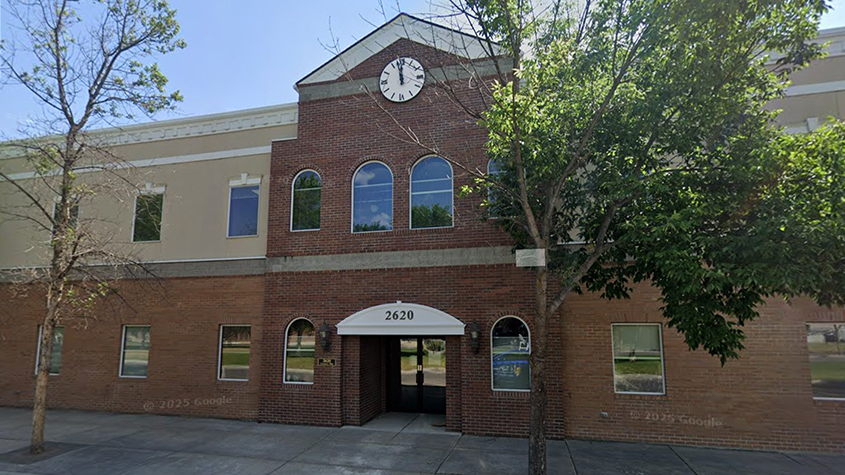
Many individuals find it easier to open up and address sensitive topics in a gender-specific setting. Separate residential facilities for men and women can foster a strong sense of peer support and safety, allowing clients to focus on their recovery without distraction. In locations like Martin City and Helena, gender-specific programs are available to help address the unique ways trauma and addiction affect men and women.
Navigating the Logistics of Care
Entering treatment is a significant step, and understanding the process can reduce anxiety. Most programs begin with a confidential assessment to ensure the level of care is appropriate for your needs. It is also important to understand the step-down process, where a client transitions from residential treatment to an Intensive Outpatient Program (IOP) for continued support.
Finances are another practical consideration. Before admission, it is advisable to verify your insurance coverage to understand what your policy may cover. A quality program will prioritize person-centered care from the very first phone call.
Your Path Forward: How to Begin
Taking the first step is often the most challenging part of the recovery journey. A simple, confidential phone call is all it takes to start the process.
The admissions process typically involves:
1. An initial screening call to discuss your situation and needs.
2. A clinical evaluation to determine the appropriate level of care.
3. Guidance on insurance verification and other logistical steps.
Life after residential treatment involves reinforcing the skills learned. Intensive Outpatient Programs and alumni groups provide a supportive community to help you navigate life in recovery. Healing is a journey, and you do not have to walk it alone.
If you or a loved one is struggling with the combined effects of trauma and addiction, support is available. Contact our compassionate team for a confidential consultation to begin your journey toward healing.
Frequently Asked Questions
What is the difference between a standard rehab and a trauma-informed treatment center? A trauma-informed center recognizes the pervasive impact of trauma and designs its services to avoid re-traumatization. It integrates mental health care directly with addiction treatment, addressing the root causes of substance use rather than just the symptoms.
Can I receive treatment for PTSD and addiction at the same time? Yes. Integrated treatment, also known as dual diagnosis care, is designed to address both conditions simultaneously. This approach is widely considered a more effective way to support long-term recovery.
How long does a residential program for dual diagnosis last? The length of stay varies depending on individual needs, the severity of the co-occurring disorders, and clinical recommendations. Programs can range from 30 days to several months.
Does insurance cover trauma-focused addiction treatment? Many insurance plans provide coverage for residential addiction treatment and mental health services. However, coverage varies widely. It is important to verify your specific benefits with the treatment center's admissions team.
Are there gender-specific options available in Montana? Yes, Recovery Centers of Montana offers separate, gender-specific residential facilities for men and women to provide a safe and focused environment for healing.